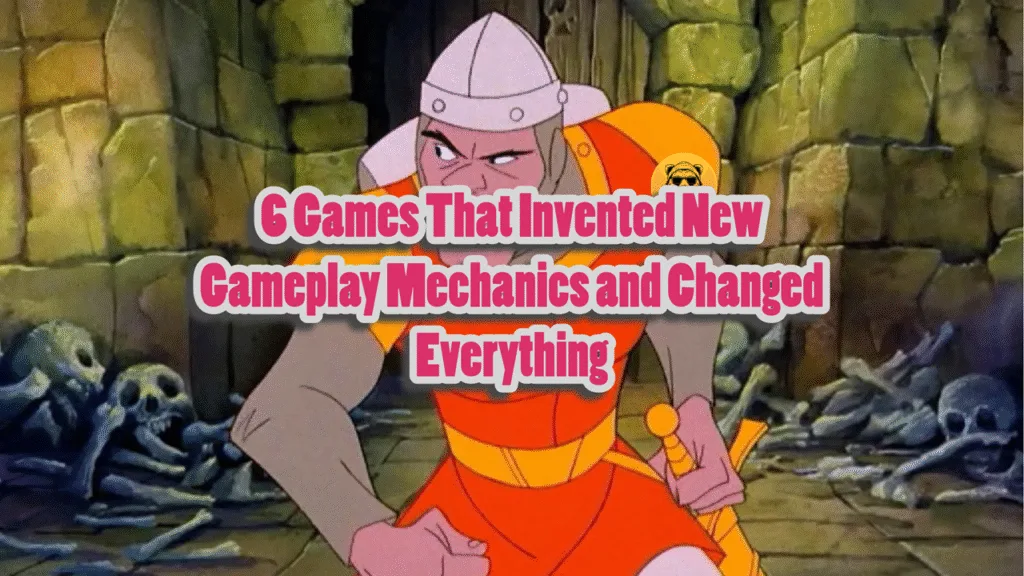
We live in a time when innovation in the gaming industry is a fleeting concept. But that wasn’t always the case. There was a time when occasionally a video game would come along that doesn’t just entertain the player, it rewires how the gaming industry think about gameplay.
The release of such video games was a moment where design innovation became history; when a single gameplay mechanic is so original, so fluid, that it ripples across decades of future game releases.
From the birth of platforming to systems that give enemies memories, I have painstakingly curated a list of 6 historical video games that invested new gameplay mechanics that didn’t just break the mild, they built a new one.
Shadow of Mordor — The Nemesis System
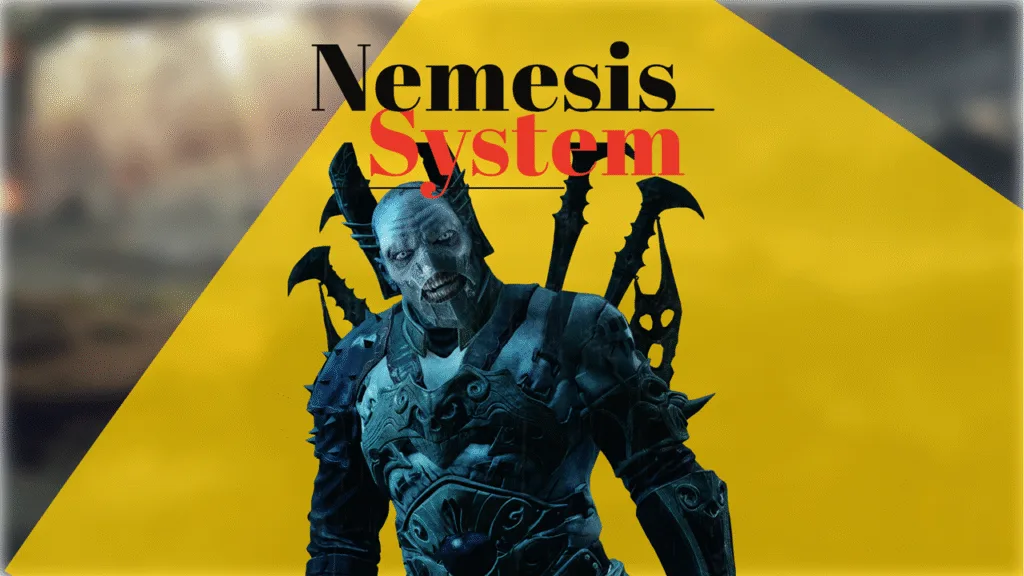
Back in 2014 we witnessed the release of Shadow of Mordor and while some expected just another open world action game where we slay the Orcs and get to climb some towers. But we got instead was a groundbreaking mechanic that made every enemy personal: the Nemesis System.
Developer Monolith Productions’ created an AI enemies system that gave them persistence, memory, and personality. Orcs in Shadow of Mordor were able to remember past interactions with the player, taunting you if they had previously defeated you, or fearing you if you’d burned them alive.
Killing one captain didn’t just clear an enemy off the board, it reshaped the entire hierarchy of Mordor’s orcish army. This was a big deal back in 2015 and something that has never been done again. Well, mainly due to a ridiculous patent on the Nemesis system by WB.
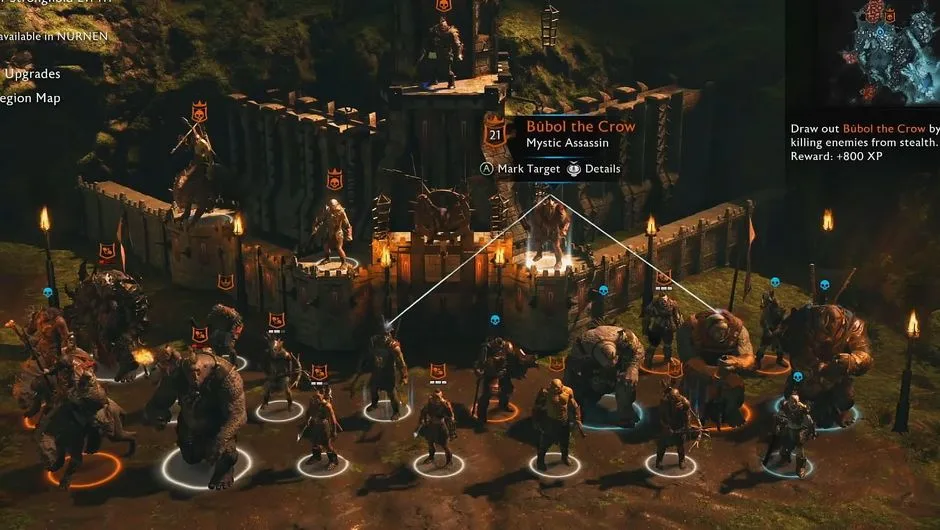
The genius of the Nemesis system was less in its technical complexity and more in the psychological weight it carried. The invention of the Nemesis System turned faceless enemies into dynamic characters with vendetta and ambitions.
For the first time, failure didn’t just mean a game over screen it meant consequences for both the player and the enemy. The Nemesis System became so distinctive that Warner Bros. controversially patented it, effectively preventing other developers from replicating it.
The worst thing about this is that they totally wasted the patent. The nemesis tech sits on a shelf somewhere at WB, doing nothing but catching dust.
Despite that, its influence is visible in modern titles that attempt to simulate emergent rivalries, from Assassin’s Creed Odyssey’s mercenary system to the roguelite character interactions in Hades. Shadow of Mordor turned AI from background noise into storytelling.
Batman: Arkham Asylum — Freeflow Combat
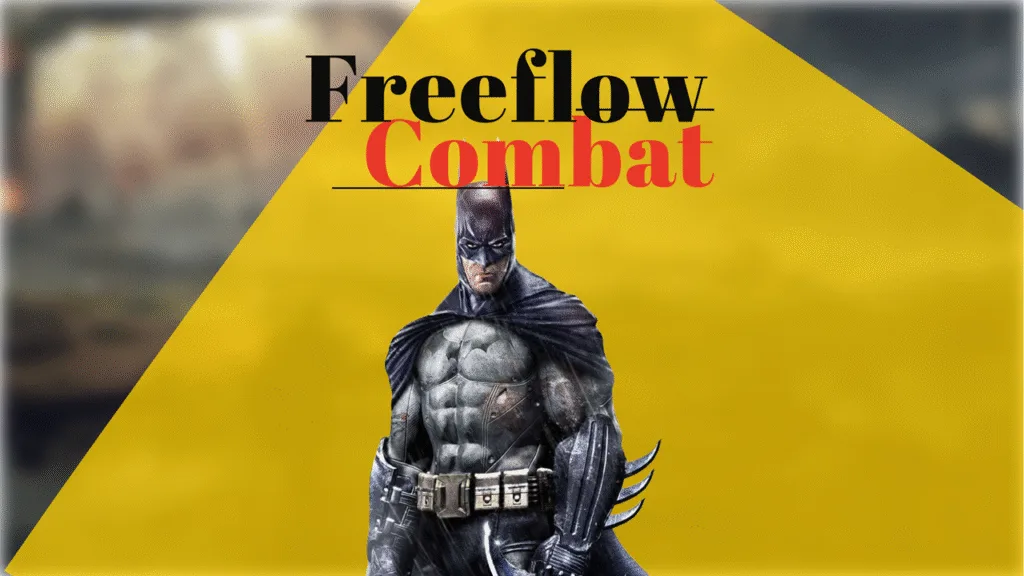
Remember early superheroes that with clunky and awkward gameplay mechanics? Batman: Arkham Asylum is the game that changed that back in 2009. Gone are the days of mix button mashing and canned animations that rarely captured the fluidity of comic book action.
Rocksteady Studios changed that forever with the Batman: Arkham Asylum’s Freeflow Combat system. The simplicity of the Freeflow combat system is a stroke of genius; one button to attack, one to dodge, and one to counter. But under the hood, Rocksteady built an intricate rhythm-based combat engine that made every encounter feel like a choreographed brawl.
Each attack by Batman linked seamlessly, counters triggered with cinematic timing, and NPCs surrounded Batman in dynamic groups that adjusted their positions based on what is happening during the combat sequence, and where Batman is.

The end result turned out to be extremely satisfying but more than that it was a defining moment for the gaming industry. The system emphasized precision over memorization, timing over combos, and awareness over brute force.
Today, the DNA of the Freeflow system is everywhere; Spider-Man, Shadow of Mordor, Mad Max, and even Star Wars Jedi games. All of them owe a debt to Arkham’s brilliant combat blueprint.
What was once “Freeflow” is now the default language of third-person action.
Resident Evil 4 — The Over-the-Shoulder View
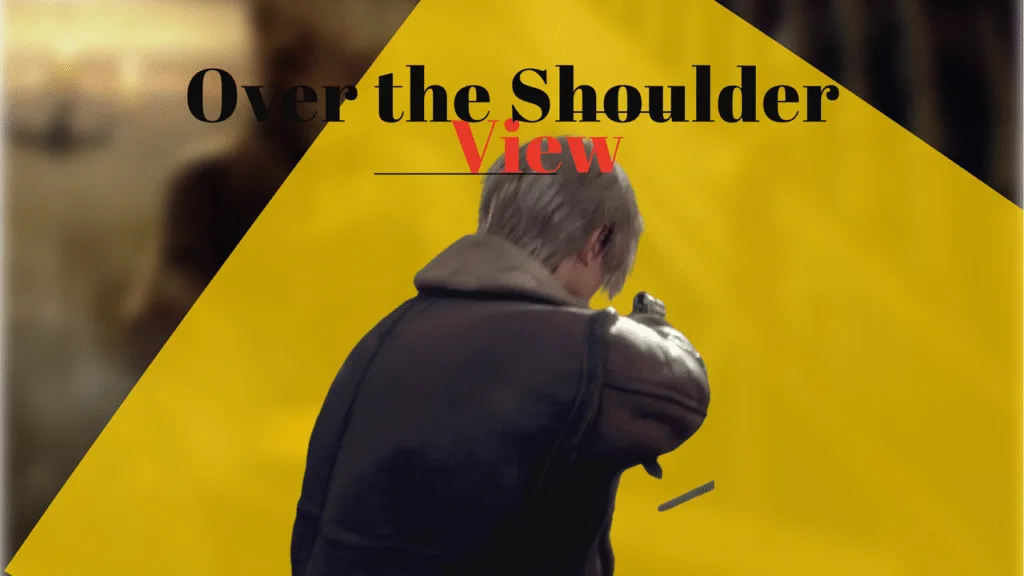
How many games can say they reshaped two entire generations at once? Resident Evil 4 can. After multiple brilliant entries into the horror series, Capcom decided to overhaul Resident Evil and it traded fixed camera angles for a dynamic over the shoulder perspective that hugged protagonist Leon Kennedy’s right shoulder. This subtle change completely transformed how players experienced combat.
This new camera style brought unprecedented tension and precision. You could now aim directly at the enemy, target limbs, and react to what’s happening in real time.
At the same time, the restricted view also heightened claustrophobia, forcing you to constantly check your flanks as the undead closed in. This totally changed Resident Evil and Capcom hasn’t looked back since.
This then became the default view for third-person shooters, influencing everything from Gears of War, Dead Space to The Last of Us and Uncharted. RE4 didn’t just modernize survival horror, it redefined how action games were framed, literally.
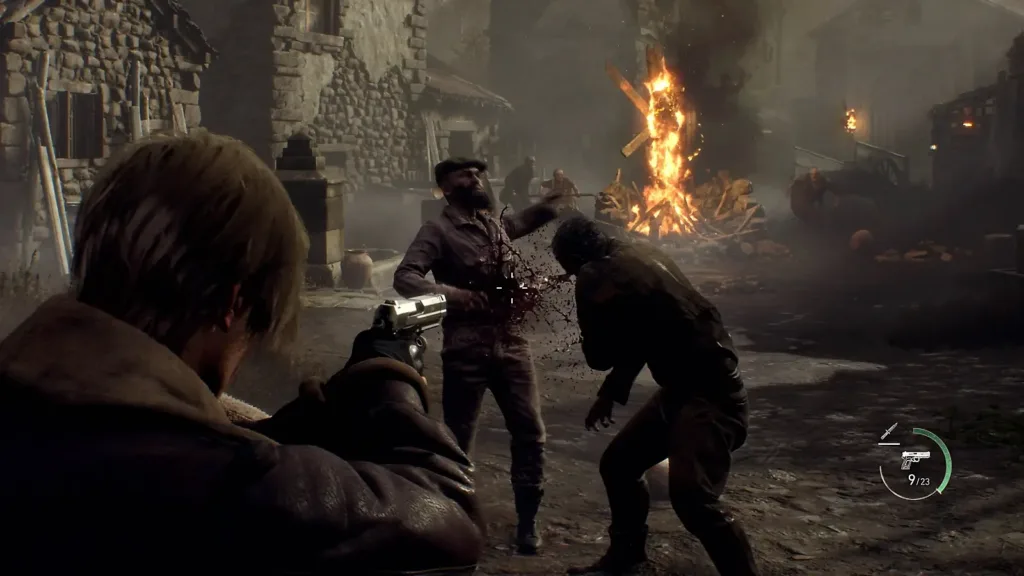
Now even after two decades, the 2023 remake still leans on that same foundation, proving that sometimes you don’t always need reinvention, just refinement.
The Legend of Zelda: Ocarina of Time — Lock-On / Z-Targeting System
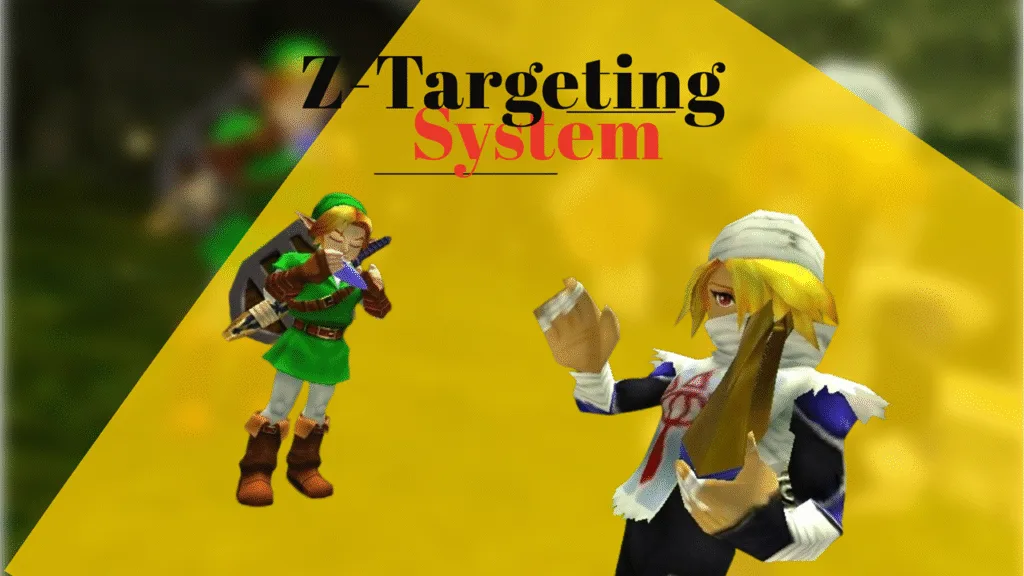
Back in 1998 when The Legend of Zelda: Ocarina of Time came out it didn’t just set the standard for 3D adventure games; it also went on to solve one of the biggest problems of that era, how do you fight precisely in a 3D space?
Nintendo came with the answer; Z-Targeting system. This was a lock-on system that allowed players to fix the camera on any enemy or object with the press of a button. Suddenly, combat wasn’t a messy scramble of missed swings and awkward camera spins, it was graceful and readable.
Z-Targeting made 3D swordplay intuitive for the first time ever. It gave players spatial awareness, tactical dodging, and cinematic dueling, all while letting them focus on timing rather than alignment.
Today, can you imagine playing a game with melee heavy combat systems without lock on?
The design become so fundamental that nearly every 3D action game from Dark Souls to Devil May Cry has built upon it. Nintendo’s Z-Targeting is so popular that even some modern shooters use it as a soft lock mechanic in their games.
Needless to say, Nintendo didn’t just invest a new gameplay mechanic but cracked the code for how 3D combat should feel.
Dragon’s Lair — Quick Time Events

Back in 1983, Dragon’s Lair hit arcades like a cartoon fever dream. It was one of the first games to use laser disc tech and gave players full motion animated sequences that looked they came right out of a Don Bluth movie. The visual magic we saw was powered by a brand-new concept that would echo for decades; quick time event aka QTEs.
Players didn’t control Dirk the Daring in real time. Instead, the game presented short reaction tests, press the right direction or button at the right moment to advance the animation. Fail, and you die in a spectacular but hand drawn fashion. Back in the day this was nothing short of revolutionary. QTEs successfully managed to bridge the gap between cinema and interactivity, allowing players to participate in a cartoon rather merely be a spectator.
Over the decades, and to this day, we have seen QTEs used in some of the biggest blockbuster video games like God of War, Heavy Rain, Until Dawn, Resident Evil, and so many more. QTEs are now a universal storytelling shorthand to keep players engaged during cutscenes and cinematic sequences.
Love them or hate them, Dragon’s Lair wrote the template for blending movie spectacle with player agency.
Space Panic — The Birth of Platforming
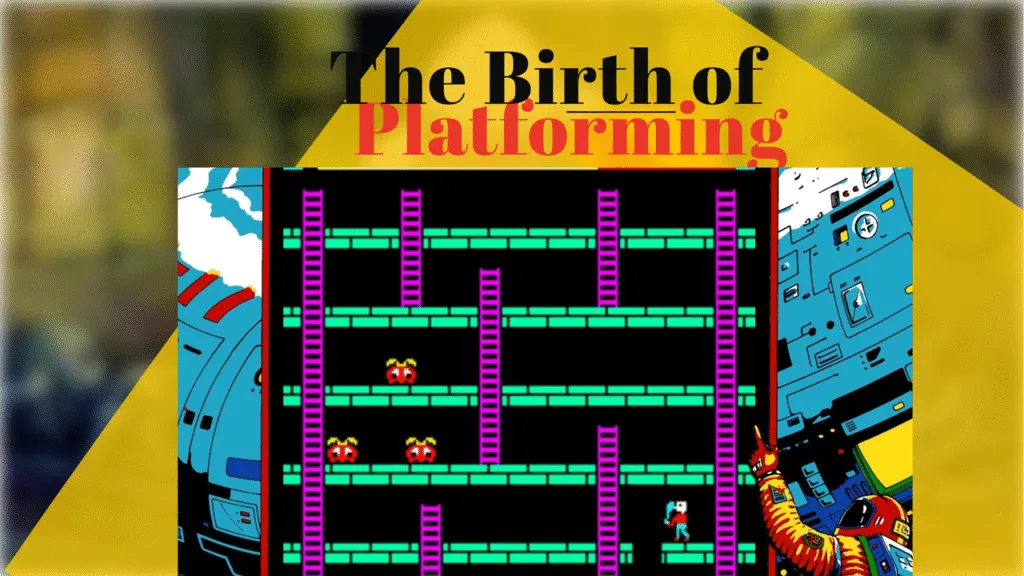
Before Super Mario Bros. and even prior to Donkey Kong, there was a masterpiece called Space Panic (1980). The game didn’t see much success and ended up being a little remembered game by Universal. However, it quietly invented one of the most fundamental genres of the gaming industry; Platforming.
There were no jumps, no scrolling worlds just ladders, platforms, and enemies. The player dug holes in platforms to trap aliens, then filled them back in to defeat them. It might not sound “modern” today but back then the vertical design introduced the idea of multiple layers of navigation.
Only a year later when Donkey Kong came out it used the same formula but added jumping, polish, and narrative to the mix. However, Space Panic had already laid the foundation. It showed that games could be about navigating space, not just shooting at things within it.
Every platformer since owes a trace of its DNA to Space Panic.