Dragon Ball games have come a long way from the rough patch they faced when gaming transitioned to the HD era. Hot off the heels of Budokai and Tenkaichi’s success, the stage was set for Dragon Ball games to break past their limits once again and push new boundaries in different genres.
Yet, for all the expectations, excitement, and technological advances, the series never really took off quite like it should have on the PS3 and Xbox 360. Thanks to modern titles like Xenoverse, FighterZ, Kakarot, and others like Legends, Gekishin Squadra, this era of Dragon Ball games has mostly been forgotten, and for good reason.
After all, Dragon Ball games on the 7th generation of consoles never really found their footing, and who can forget the disaster that was the rock-paper-scissors gameplay of Ultimate Tenkaichi, or the travesty that was Dragon Ball Z: Battle of Z? Still, I believe one particular title among the bunch often goes under the radar and remains grossly underrated: Dragon Ball Z: Burst Limit.
Dragon Ball Z Budokai Evolved
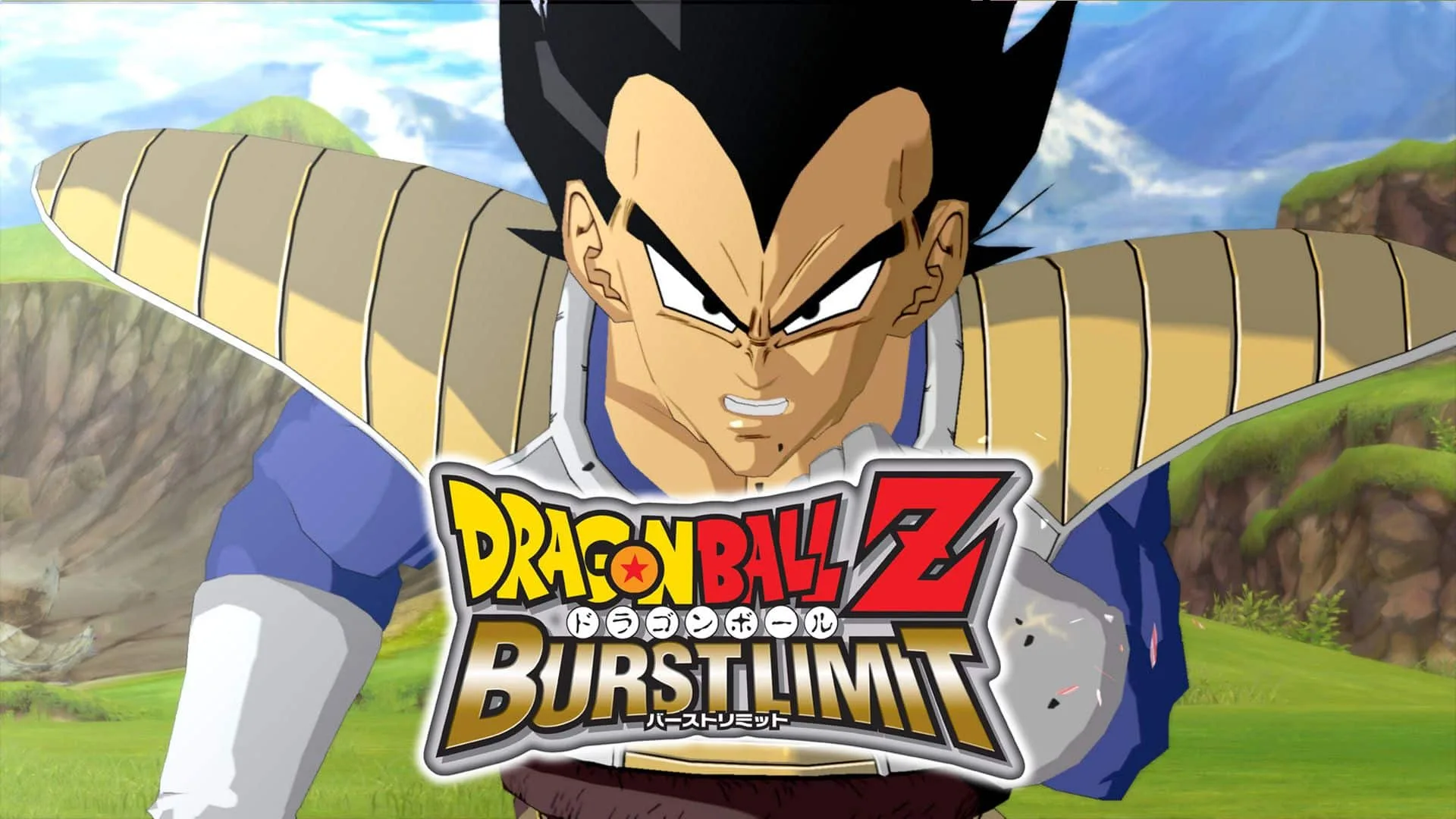
Dragon Ball Z: Burst Limit first debuted in 2008, and at the time, Dimps, the team you might know for having made the Xenoverse games, had gone all in on the Budokai series of games.
This franchise focused on 2.5D fighting game-like gameplay based on Dragon Ball, marking the first real success story for Dragon Ball games on consoles. Until that point, the likes of Dragon Ball GT: Final Bout had failed spectacularly, so Budokai’s success in 2005 was a big deal.
The game was lauded for not only providing satisfying combat but also covering the Dragon Ball Z story, all while capturing the impact and scale of the series’ signature attacks like the Kamehameha. In just a few years, the series grew into a full trilogy and later saw the release of Dragon Ball Z: Infinite World, an entry that essentially perfected the formula.
Burst Limit, released in the same year as Infinite World, sought to evolve the same formula, and in my opinion, the game passed with flying colors in that respect. It offered a similar style of gameplay, but the combos were faster, moves were flashier, and Burst Limit came with an art style that was closer to future Dragon Ball anime projects.
On the surface, the game offered a lot of what was already seen in past titles. The guard-based cancels that became the foundation of Budokai’s combat were still central to the overall gameplay, but Burst Limit also incorporated ki blast cancels that were first introduced in the Dragon Ball Z: Shin Budokai PSP games.
When combined with side steps, back dash cancels, and more, Burst Limit featured arguably the most Dragon Ball-esque combat of the 2.5D era. The game even incorporated super cancels, giving beams like the Kamehameha and Galick Gun utility beyond their flashiness.
Ultimately, Burst Limit further refined a combat system that had already been nearly perfected. New combo strings for the cast were par for the course with everything Dimps offered in the game, bringing the entire experience together incredibly well.
Nailing The Dragon Ball Look
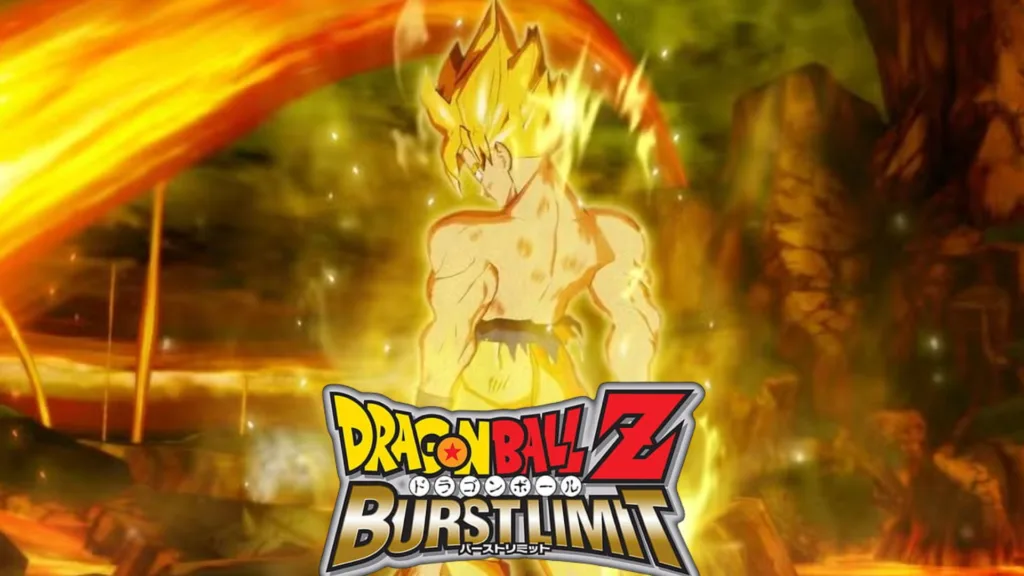
It would not be wrong to say that Dragon Ball Z: Burst Limit held the crown for the best-looking Dragon Ball game for a long time. In my opinion, just how great the game looks is evident in its story mode cutscenes, with Goku’s original Super Saiyan transformation against Frieza being a particular highlight in this respect.
Dare I say that Burst Limit’s rendition of the scene is among the best of the bunch, even when put up against the original anime and manga? Of course, this is only the case because of how good the game generally looks. Before FighterZ, Kakarot, and even Sparking Zero raised the bar in the visual department, Burst Limit stood out as the clear outlier among a slew of mostly mediocre-looking Dragon Ball games on the PS3 and Xbox 360.
Back in 2008, the cell-shaded look captured the series’ art style with impeccable precision, retaining all the meticulous detail of Akira Toriyama’s original verse. The game was packed with the manga’s classic exaggerated facial expressions, over-the-top hit effects, and basically everything a fan of the series would want.
Key story moments like the final clash between Gohan and Cell showed the game’s visual finesse better than anything else, with Dimps even recreating the visceral final moments of the villain to match the manga. Even during gameplay, smart use of the camera made combos feel much more dynamic than in the Budokai games since Burst Limit’s camera wasn’t as static, a smart choice that allowed the game to capture the hectic nature of the series’ fights.
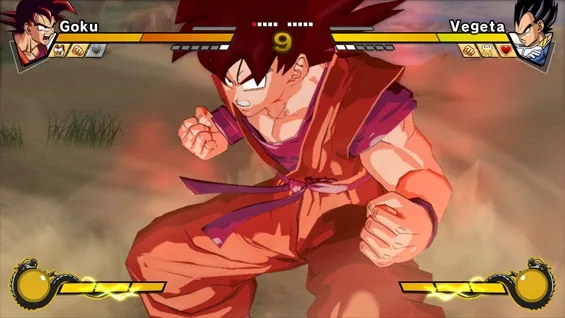
In my opinion, Dragon Ball Z: Burst Limit still looks incredible to this day, and some upscaling with RPCS3 emulation goes a long way to unlocking its true visual potential. I would even go as far as to say that the game can stand alongside FighterZ, Kakarot, and Sparking Zero.
What Went Wrong?
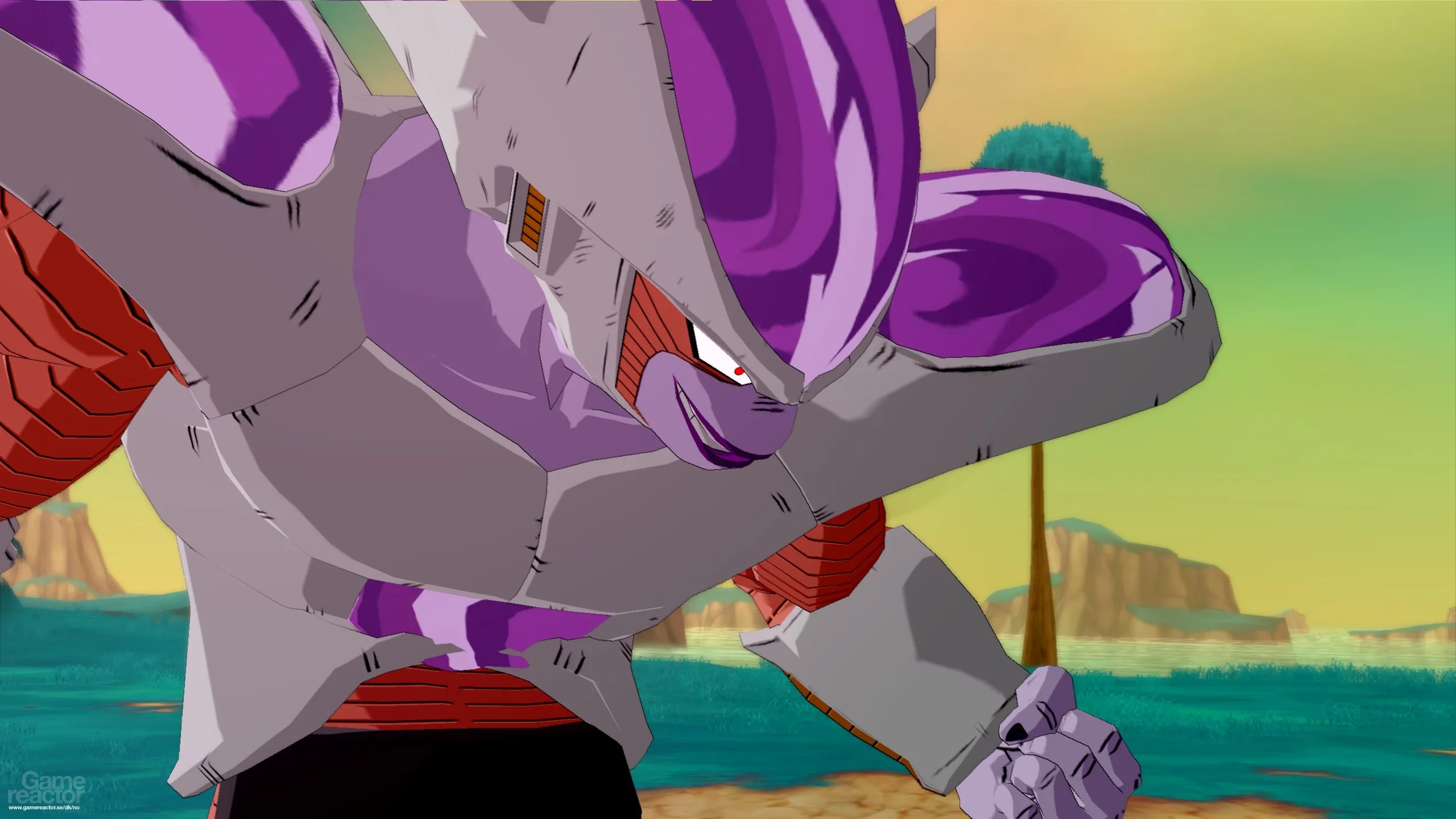
Unfortunately, Burst Limit fell victim to a trend that still haunts anime games to date. The title was essentially rushed out in a content-incomplete state, featuring a much smaller roster than many of its predecessors.
If the story mode covering just 2/3 of the Z story wasn’t bad enough, Burst Limit skipped all of Dragon Ball GT and most of the movies. This problem was made worse by the fact that Infinite World, released in the same year, offered all of this and then some.
Dragon Ball Z: Burst Limit’s online component was also, for lack of a better word, disappointing. As was the case with anime games of old, the netcode was barely functional, and anything but perfect conditions would lead to a subpar experience.
The gameplay, although incredible on its own, was not without its faults either. Newly introduced to the Budokai gameplay, ‘Drama Pieces’ served as cinematic moments that granted stat boosts, attack disruptions, health regeneration, etc.
However, they seldom made up for the interruptions to battles, making them little more than a nuisance, especially when the combat system was already so fleshed out. It was fortunate, then, that Drama Pieces were not a factor when playing the game locally or online.
The final nail in the coffin was the fact that Burst Limit’s roster was rather small for a Dragon Ball game at the time. Fan-favorite characters like Gogeta, Vegito, Kid Buu, Cooler, and more were nowhere to be seen when they had become staples of games in past years.
Hope For A Sequel?
While this spiritual successor to the Budokai series is hardly brought up today, it showed incredible potential right off the bat. For all its faults, it remains one of my absolute favorites from the IP.
Was it the lack of content that held it back? Or were fans just too tired of 2.5D combat-based Dragon Ball games at the time? It’s not hard to see why the title failed back in the day, but the fact that Burst Limit has developed a reputation for being underrated is quite telling of its strengths.
Recently, there has even been fan chatter regarding a potential sequel to the Budokai series. Many believe that the Budokai series should be up next for a revival following Sparking Zero, and I’m of the opinion that Burst Limit would be the perfect game to build off of should this ever be the case.
Till then, RPCS3 is the best bet for anybody looking to revisit this forgotten Dragon Ball title. Upscale the game and run it at 60FPS, and you can experience Dimps’ final 2.5D fighter for the series in all its glory all these years later.