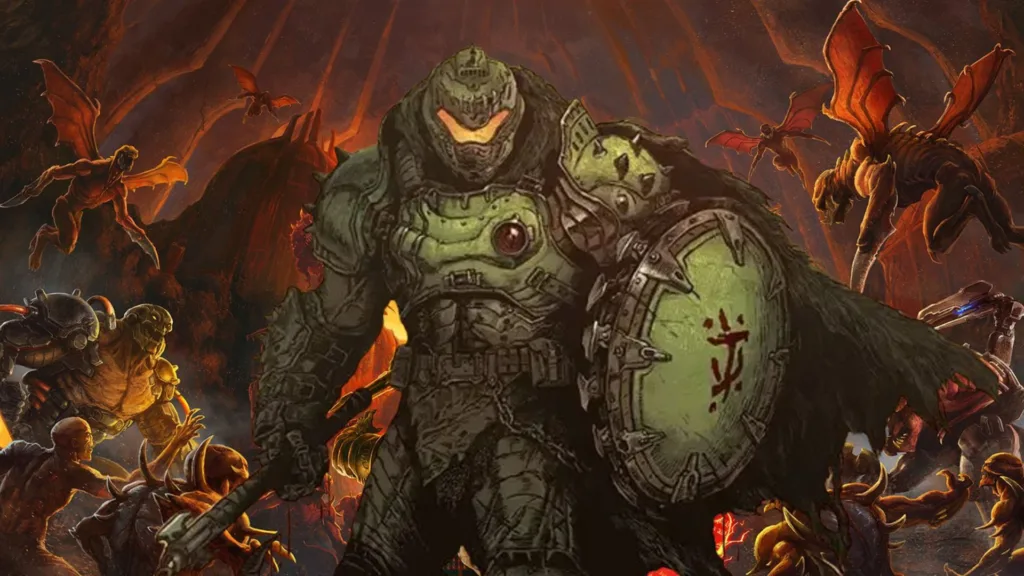
The modern Doom trilogy is among the finest titles of the first-person shooter genre today. Few games out right now can match the thrill and heart-pumping gameplay that is at the core of id Software’s last three releases, making them all incredible in their own right.
Doom: The Dark Ages is the most recent of the bunch, and you would be forgiven for entirely forgetting about this game. After all, the Doom Slayer’s journey to medieval times is less than a year old, and everyone appears to have moved on from it already.
id Software’s 35th anniversary, however, has meant that interest in Doom: The Dark Ages has seen somewhat of a resurgence, and I thought what better time to discuss whether the modern Doom trilogy’s finale truly lives up to the incredibly high bar set by its predecessors?
Eternal Pressure
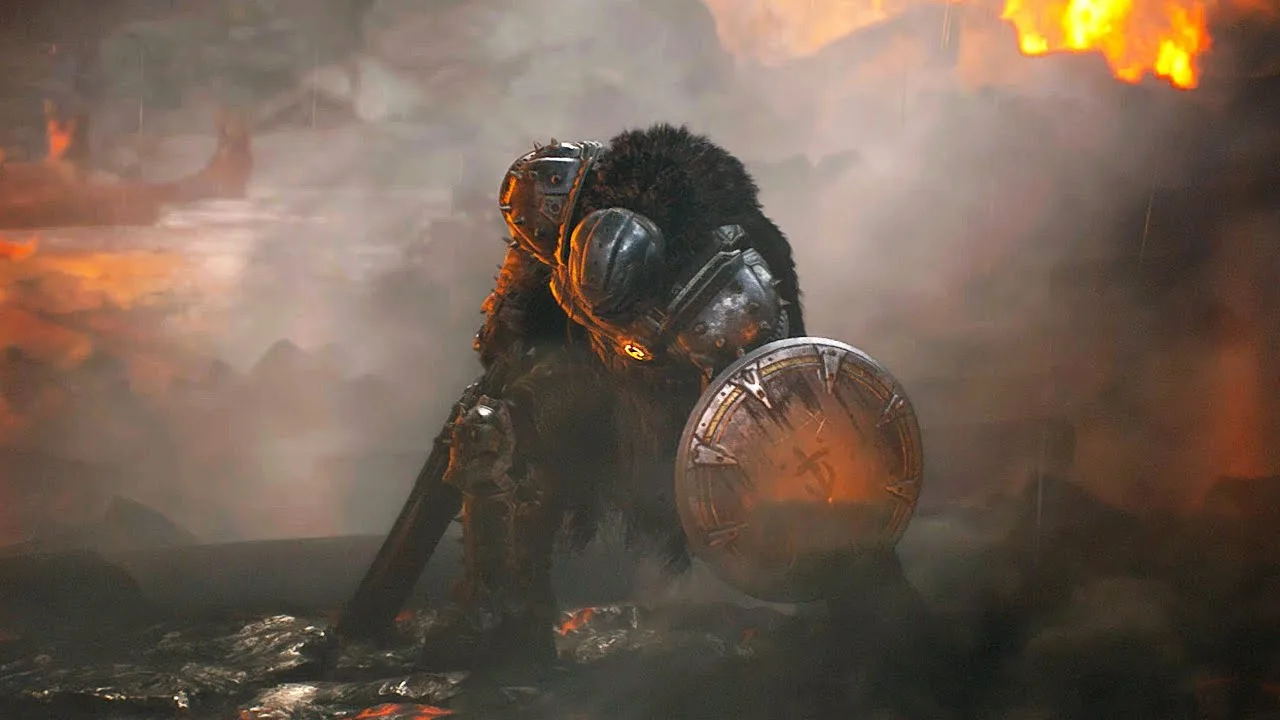
To quickly recap, id Software rebooted the franchise in 2016 and followed up with Doom Eternal in 2020. These games offered a fresh take on the Doom license, putting the power fantasy of the Doom Slayer at the forefront, an element that shone brightly in Doom Eternal.
Newly introduced to the series in 2016 were Glory Kills, and it took little time for this mechanic to become a fan-favorite. id Software then upped the ante with Doom Eternal four years later, presenting combat at an unrelenting pace and plenty of tools to ‘Rip and Tear.’
Doom Eternal’s enemies were ruthless and agile, but so was the Slayer. This, in my opinion, was the perfect evolution of the groundwork laid in 2016, and so the team naturally had to face the question of where to go next with the follow-up.
There was only so far the team could have pushed the formula after it created what I believe is one of the best first-person shooters out there. Like many others, I wondered what more the team could possibly do to push itself for the second time in a row, and id Software’s solution was a back-to-basics approach.
With fresh ideas and ambitions to present a darker, more gripping narrative centered around the origin of the Slayer, the team began work on Doom: The Dark Ages and proudly debuted its new vision for the series to the world in 2025.
A Fresh Beginning
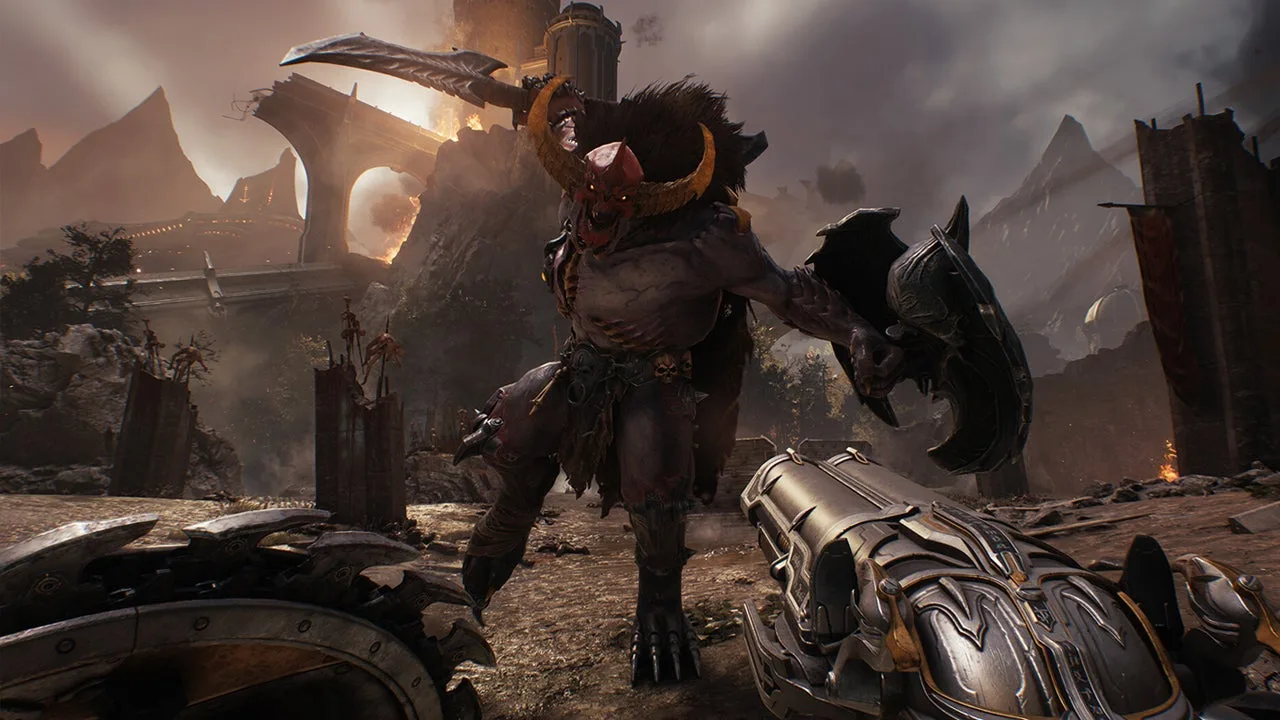
Because Doom: The Dark Ages was set in the past, id Software had the freedom to completely redefine the core gameplay loop of the past two titles, and that it did.
This new style of gameplay, which revolved around the Slayer’s shield/melee combo, was not everyone’s cup of tea, but in my personal opinion, it worked well. id Software also managed to somewhat retain the pace of Doom Eternal in the process, keeping action game junkies like me satisfied throughout the game.
Although Doom: The Dark Ages stripped much of what made the gameplay so satisfying in Doom Eternal (RIP the Double Dash and Glory Kills), the new gameplay tools were not without their merits. The Doom Slayer was also a lot heavier this time, being the literal personification of a human tank, but the smart addition of the shield bash meant that there was a way to work around this heft that the team introduced.
Combining this ability with a weapon like the Pulverizer meant that you could effectively slay demons at inhumane speeds. The Dark Ages also surprised me with its parrying mechanic, although the default slider for the timing window was far too generous.
Weapon selection wasn’t too shabby either, and where Doom Eternal’s combat centered around weapon-swapping combos, the Slayer’s medieval arsenal excelled at simultaneous use. For instance, the Shredder’s ricochet ability worked incredibly well with the shield toss, and the Rocket Launcher’s Cannibalism upgrade made parrying attacks with the shield an efficient way to eliminate the risk of self-inflicted damage at close range.
In this way, Doom: The Dark Ages established a unique identity for itself and a combat loop that could rival its predecessors when at its best. I will admit that not everything id Software tried here worked for me, especially the melee combat, which I felt could’ve used more variety.
Not to beat a dead horse, but I also think removing Glory Kills was a misstep on the team’s part, even if the philosophy behind uninterrupted gameplay against waves of larger enemies made complete sense on paper.
Bigger But Not Necessarily Better
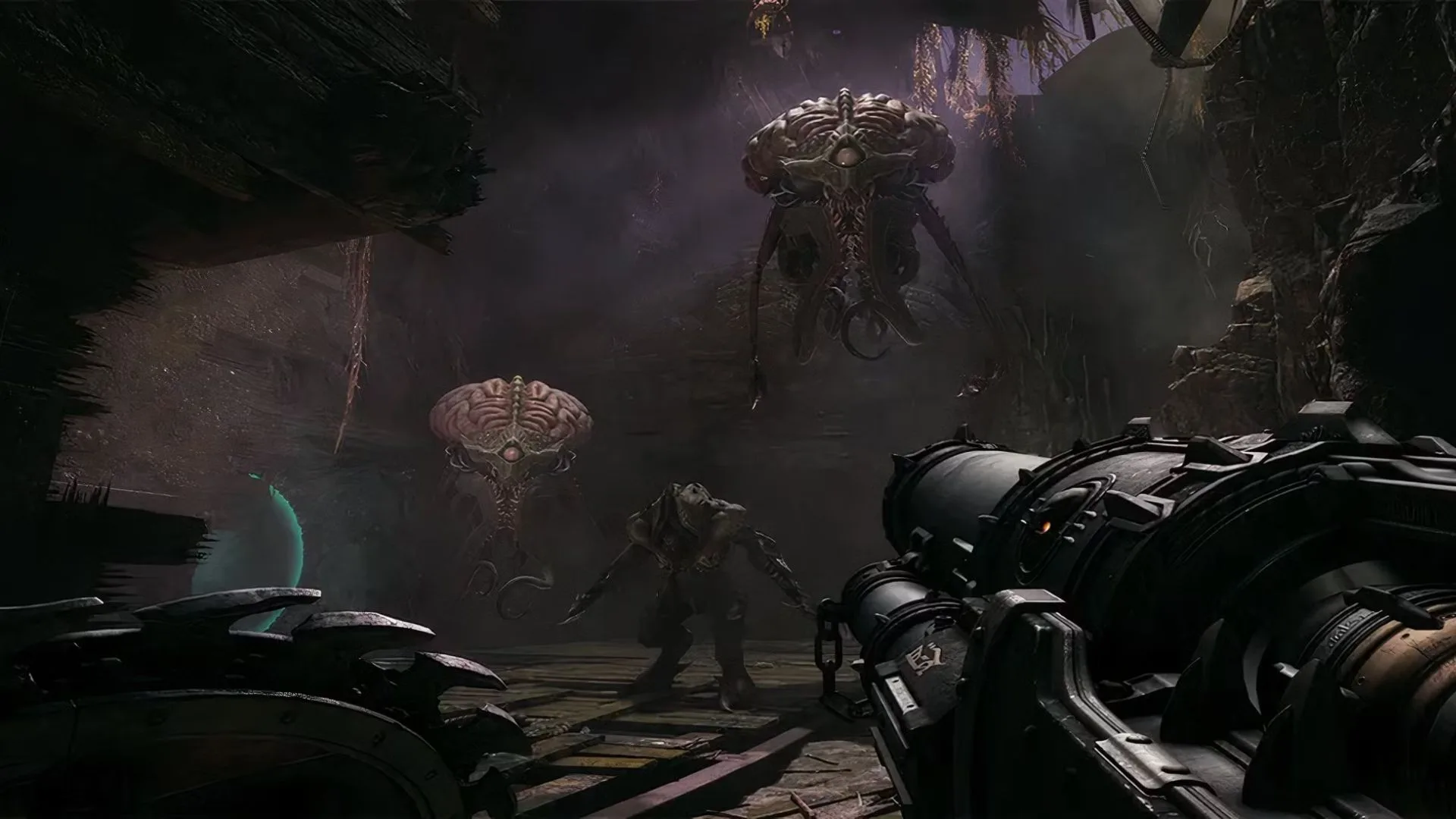
This brings me to the next big differentiating point of Doom: The Dark Ages, the bigger levels and demon hordes. Unlike the last two games, the series’ latest entry effectively gives it an open-world style makeover, adding hundreds of foes on screen at any given moment.
In my opinion, this choice doesn’t always pan out. Sure, the open levels are certainly novel at first, and I’ll be the first to admit that it’s always enjoyable to have more Doom to play, but the fact that one of the main distractions in each level is gold littered throughout the different areas is very telling of id Software’s weakness in this department.
At a certain point, the open levels actively hampered my enjoyment of The Dark Ages, as I felt that the first-person shooter was trying its absolute hardest to artificially inflate the overall play time. I could say the same for the larger waves of enemies, but at least the strength of the combat is a saving grace here.
Doom is all about disposing of demons, and the more enemies for the Slayer to annihilate, the merrier, right? Not exactly. The problem with this approach, at least in my opinion, is that Doom: The Dark Ages’ combat loop starts to feel a bit repetitive because it does too much too frequently.
Unlike Doom 2016 or Eternal, there’s hardly any downtime, and combat encounters typically last longer. It doesn’t help that sometimes you fight literal tanks as enemies, and these encounters play out the exact same way at all times. Other enemies, like the Shield Soldiers, serve as little more than fodder and distractions from the real threat.
This isn’t to say that the game’s enemy variety is lacking or that the combat suffers greatly, but The Dark Ages’ strength-in-numbers approach doesn’t always work out for the best.
Upping The Stakes
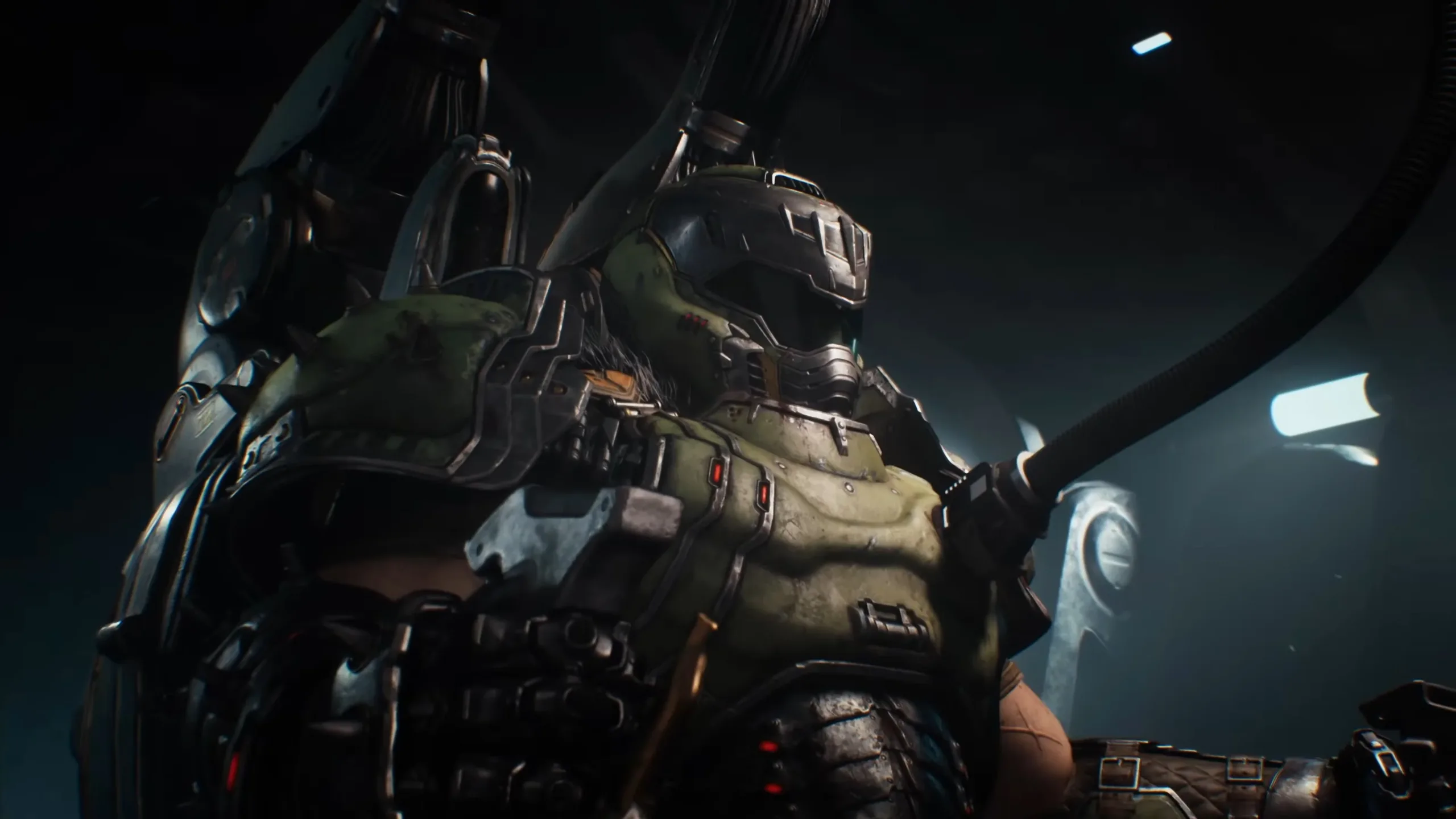
Before jumping in, I was very excited to take the Doom Slayer’s new mech for a spin in The Dark Ages, and boy, did this section of the game live up to the hype, at least at first.
My first time with the mech was like magic. Every element, from the weight of the movement to the impact of the hits and the finishing blows, was perfect. Plus points to id Software for also making the environments in these sections highly destructible, something that is rarely seen in modern games.
These sections were highly scripted and strayed away from Doom’s motto of handing full control over to the players, but I had nothing to complain about, given how well done the on-rails gameplay was. However, the mech got really old by the end of the game, and that’s saying something, considering it wasn’t particularly overused throughout the story.
Had id Software added just a tad more variety to the melee animations and gunplay in these sections, they could have been a highlight of the entire experience. I could say the same of the Doom Slayer’s dragon, which was used for little more than glorified on-rails turret sections.
Neither of the two is directly comparable with anything in Doom 2016 and Eternal, but they certainly fell flat by the end of the game. In my opinion, these sections were close to nailing the essence of a perfectly-crafted scripted sequence that it’s a shame they ended up missing the mark.
The Slayer’s Story
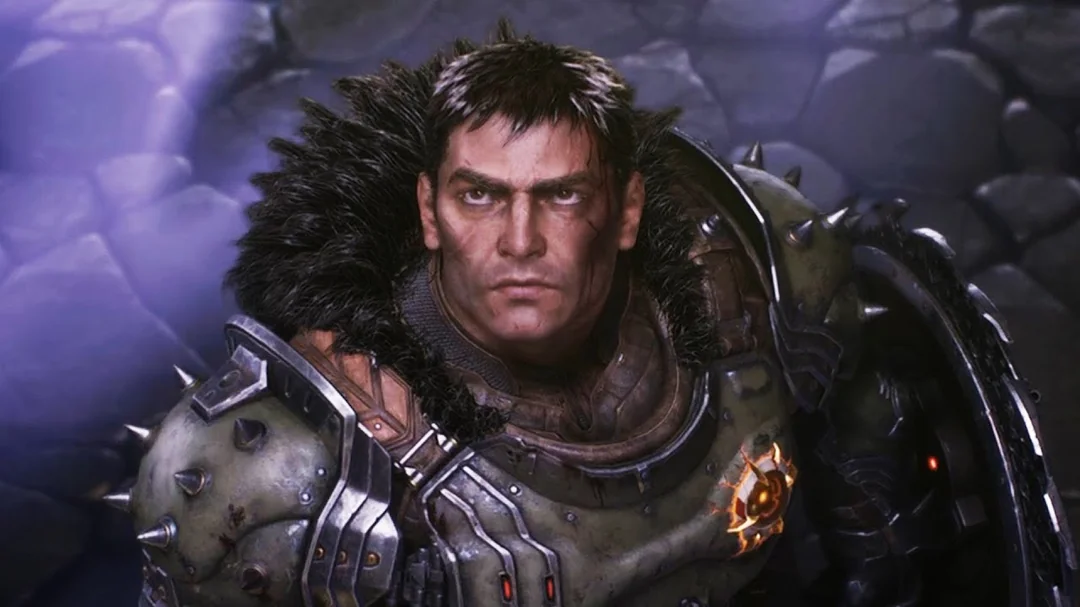
Doom: The Dark Ages also made it a point to highlight the core story of the series, incorporating the Sentinels, Maykrs, and other major players in the universe. id Software also introduced Ahzrak as the big bad of the game, but I felt the characters were mostly forgettable.
In contrast, Doom Eternal’s narrative elements felt much more gripping for me, especially the story beats regarding Samur Makyr and The Dark Lord from The Ancient Gods DLC. The parallels between the Slayer and Davoth in Doom Eternal were a lot more interesting to me than whatever the team attempted to do with Ahzrak.
To facilitate the team’s more ambitious storytelling, The Dark Ages also featured more cutscenes than its predecessors, and while all the cinematics were extremely well done, very few stood out for me at the end of the day.
As far as I’m concerned, the Doom Slayer felt like a background character in The Dark Ages until very late into the story, a consequence of the greater focus on the Sentinels. To id Software’s credit, the game was a visual treat from beginning to end and did not disappoint in this department.
Thanks to ray-tracing and id Tech 8, I can’t say how many times Doom: The Dark Ages left my jaw wide open through the sheer brilliance of its environments and character models. Not having to pick between performance and visuals was also a breath of fresh air, as the team lived up to its reputation for making buttery smooth games.
One Year Later
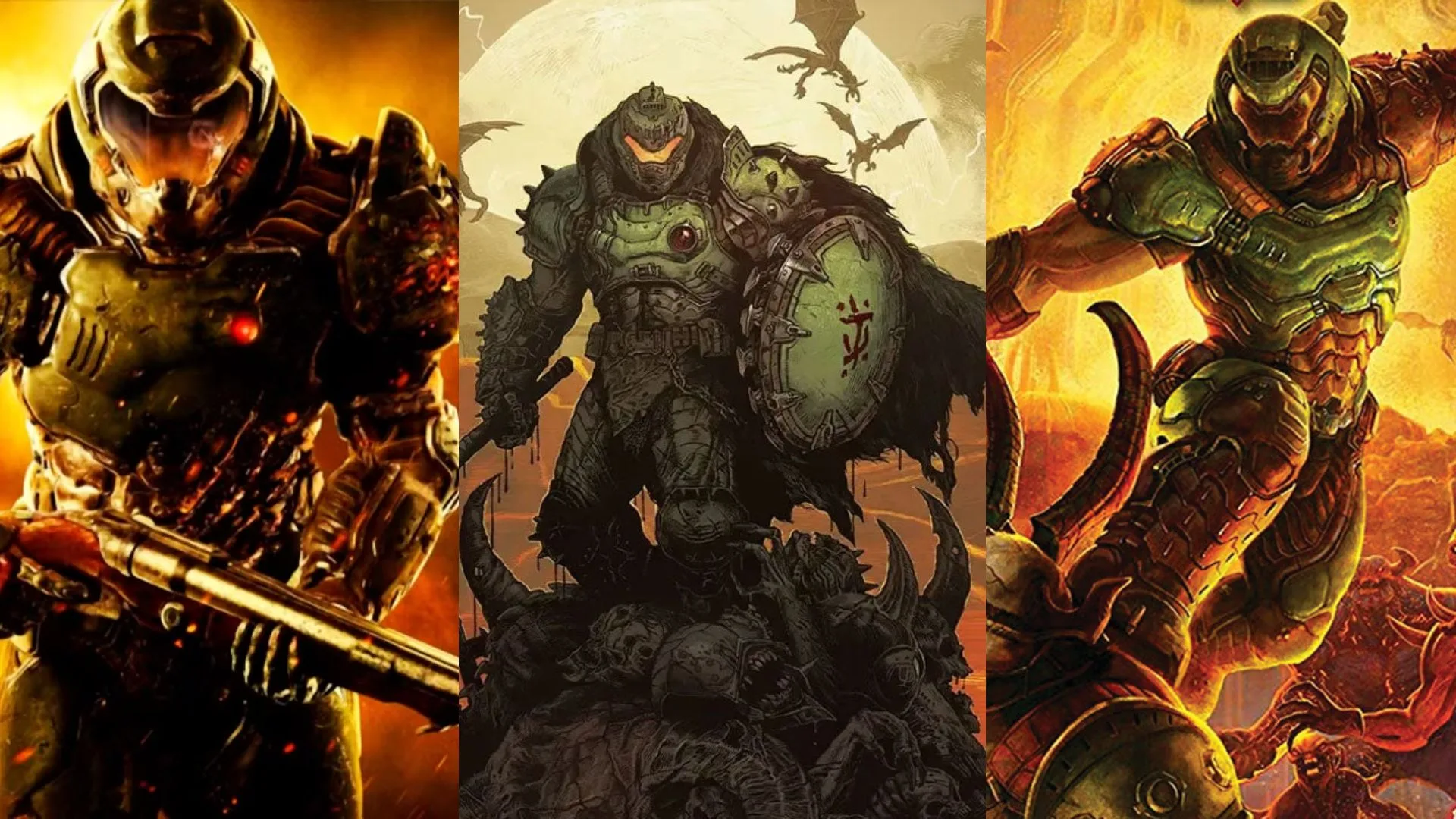
This brings me back to my original question. Does Doom: The Dark Ages live up to the unimaginably high bar set by Doom 2016 and Eternal? I believe it doesn’t.
However, this isn’t necessarily a bad thing. When the competition is as stiff as it is, there’s no shame in finishing in last place. The Dark Ages could have addressed a lot of my problems with the game and still fell short of Doom Eternal, this being a testament to id Software’s genre-defining work from 2020.
When all is said and done, I still like Doom: The Dark Ages as a part of the modern trilogy. In fact, I recommend first-person shooter fans give it a shot, and what better time than now, when the game is being sold at a deep discount on Steam.
Let’s also keep in mind that id Software has constantly made adjustments to The Dark Ages based on community feedback, addressing issues with the unbalanced audio mix, slow-motion effects, etc. Hugo Martin and the team have also promised plenty of exciting things for the studio’s future, and I believe this first-person shooter will be a part of these plans.
I, for one, fully intend to replay the title at some point, and I’m also quite optimistic about the upcoming DLC later this year.