Xbox is set to turn 25 later this year, and to mark the occasion, Microsoft intends to launch a brand new Halo remake dubbed Halo: Campaign Evolved. Much has changed with the brand over its two-and-a-half-decade lifespan, and to be honest, it’s a surprise that Xbox is even afloat after everything that has transpired over the last decade or so.
With Phil Spencer having departed the brand and passing the mantle of Xbox CEO to Asha Sharma, there is hope for a fresh beginning for Microsoft’s gaming business. Yet, for all the excitement and promise, it’s hard to imagine Xbox bouncing back in any meaningful capacity.
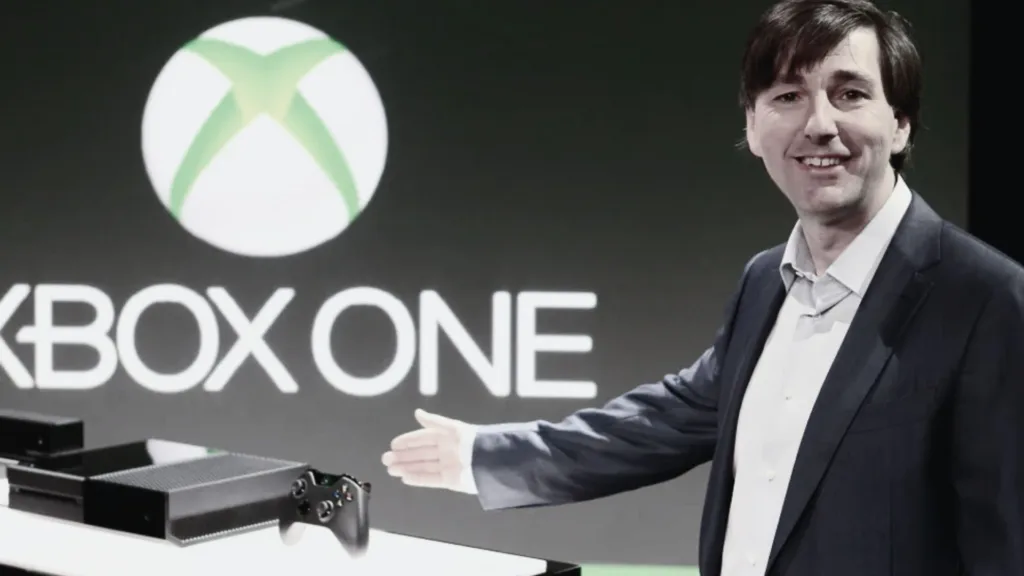
After all, the brand never really recovered from the infamous Xbox One reveal and Don Mattrick’s complete and utter dismissal of gamers on that day. 13 years on, the fallout of the Xbox One reveal continues to haunt Microsoft, and it might even be fair to say that the brand effectively died that day.
An Xbox For Non-Gamers
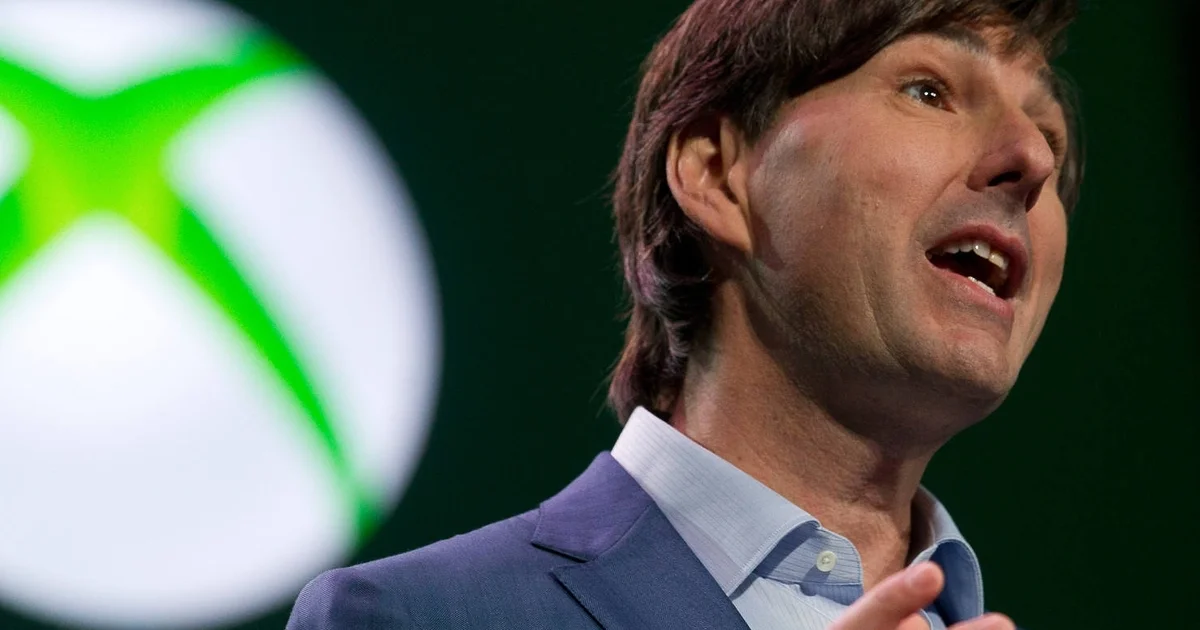
The Xbox One announcement was full of red flags, but two major ones stood out, the biggest among which was perhaps Microsoft’s insistence on making an always-online ecosystem for its console.
Hot off the heels of its success with the Xbox 360, Microsoft attempted to usher in a new age of entertainment, one powered by the internet. This meant that the Xbox One was advertised as an always-online console, something the then-Microsoft Interactive Entertainment Business president Don Mattrick was adamant would be a good thing.
In fact, he was so confident in this approach that he told gamers without consistent internet to stick with the Xbox 360. If this wasn’t bad enough, the Xbox One also had the drawbacks of an incredibly complex DRM and a $500 price tag to deal with.
“Fortunately, we have a product for people who aren’t able to stay connected; it’s called the Xbox 360.” -Don Mattrick
Not only was the console more expensive than the PS4 at launch, but Microsoft’s initial vision also left no room for used physical games. Sony, of course, did not let this opportunity go to waste and hammered home these two simple features to essentially win the console generation before it even began.
It also helped that the PS4 was cheaper than the Xbox One while being more powerful, and it didn’t focus on TV and streaming services for much of its initial debut.
Stuck In Last Place
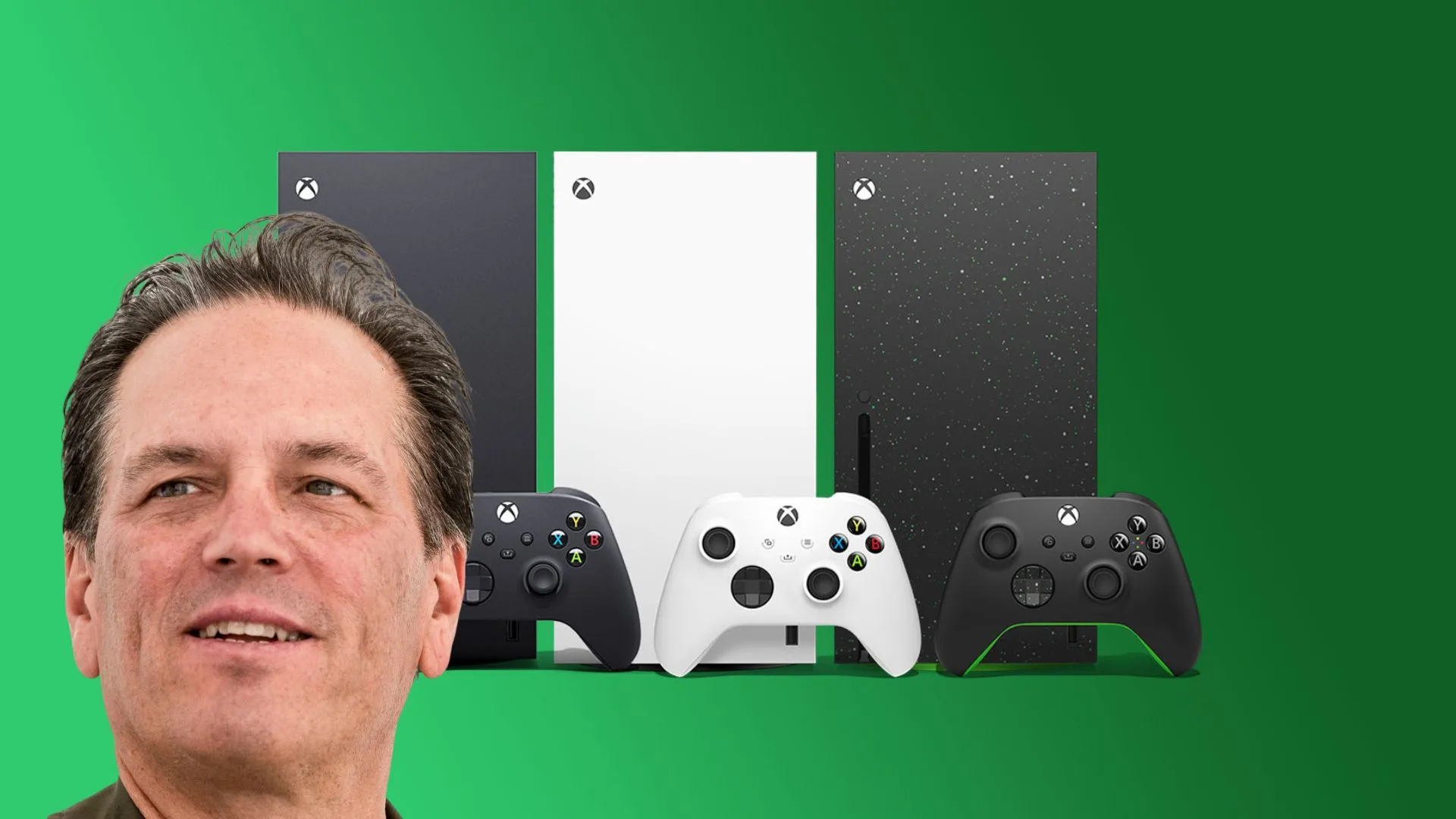
The Xbox One’s failures have been quite well documented at this point, and don’t necessarily need further dwelling on. Microsoft itself has admitted on multiple occasions just how big a misstep the last generation was, and Phil Spencer’s entire career as CEO was spent course-correcting after Don Mattrick’s departure.
During Phil Spencer’s tenure as the CEO, Xbox introduced stronger and more affordable consoles, Game Pass, cross-play, and more. The gaming giant even brought up major publishers like Bethesda Softworks in an attempt to strengthen its first-party portfolio in the wake of increasing competition from PlayStation and Nintendo.
Yet, for all its efforts, Xbox appears to be stuck in last place. The lead established by the PS4 has transferred over to the PS5, but Microsoft’s gaming brand is even worse off this time around. Having sold less than 30 million Series S|X consoles, the PS5 is outselling its competition by 3x this generation.
An Unclear Vision
Unlike PlayStation or Nintendo, Xbox’s core vision has been all over the place lately. However, this problem isn’t exactly recent.
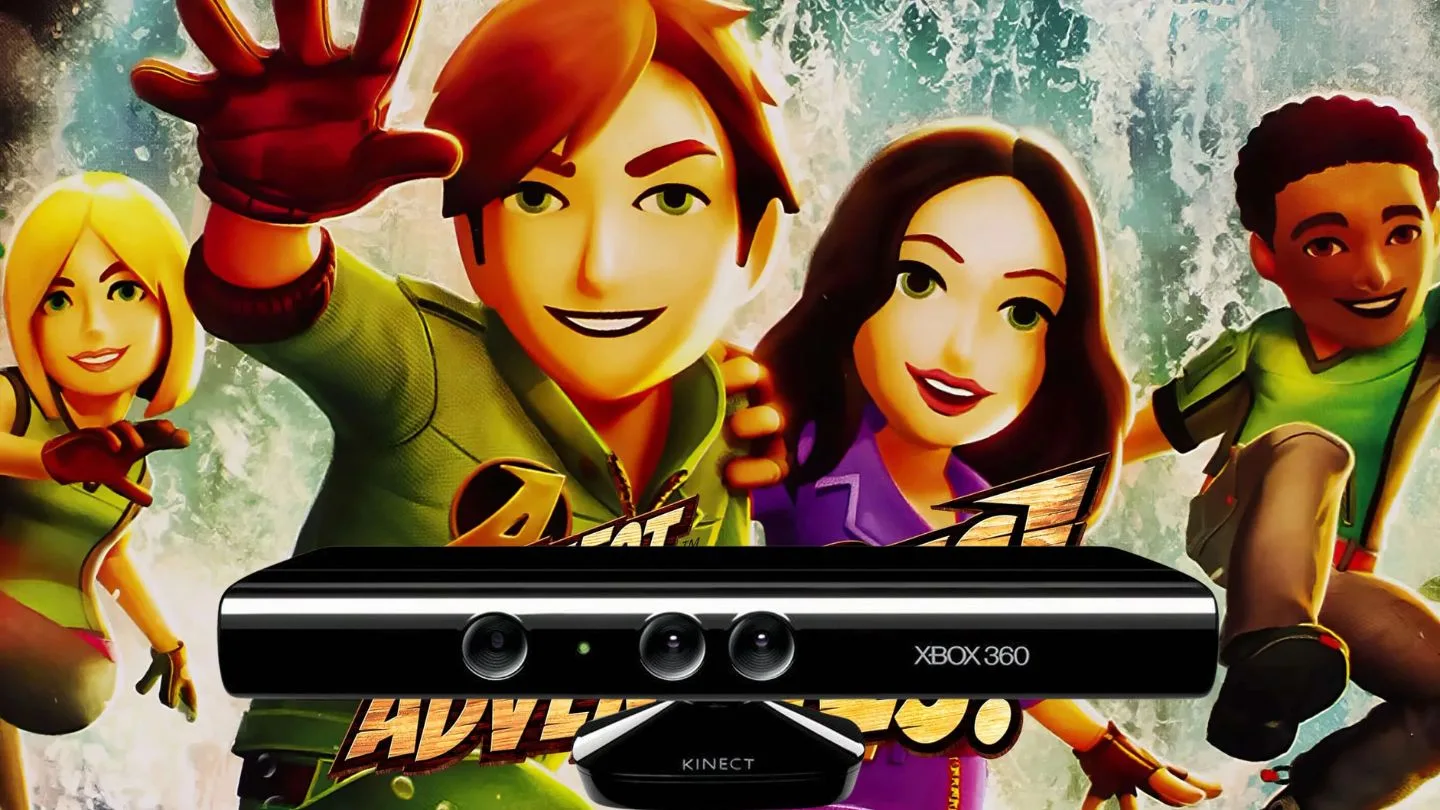
Going all the way back to the Xbox 360 era, Don Mattrick’s arrival at Microsoft marked a shift in priority. As PlayStation began pushing for higher-quality exclusives and price cuts with the PS3, Microsoft positioned Kinect’s motion controls and casual games as the centerpiece of the Xbox business.
I would argue that this is where the Xbox brand truly began to decline, since the Kinect-centric approach was a dismissal of everything Peter Moore had worked so hard to achieve for Xbox up to that point. This misplaced focus would follow the brand into the launch of the Xbox One, further exacerbating the problem.
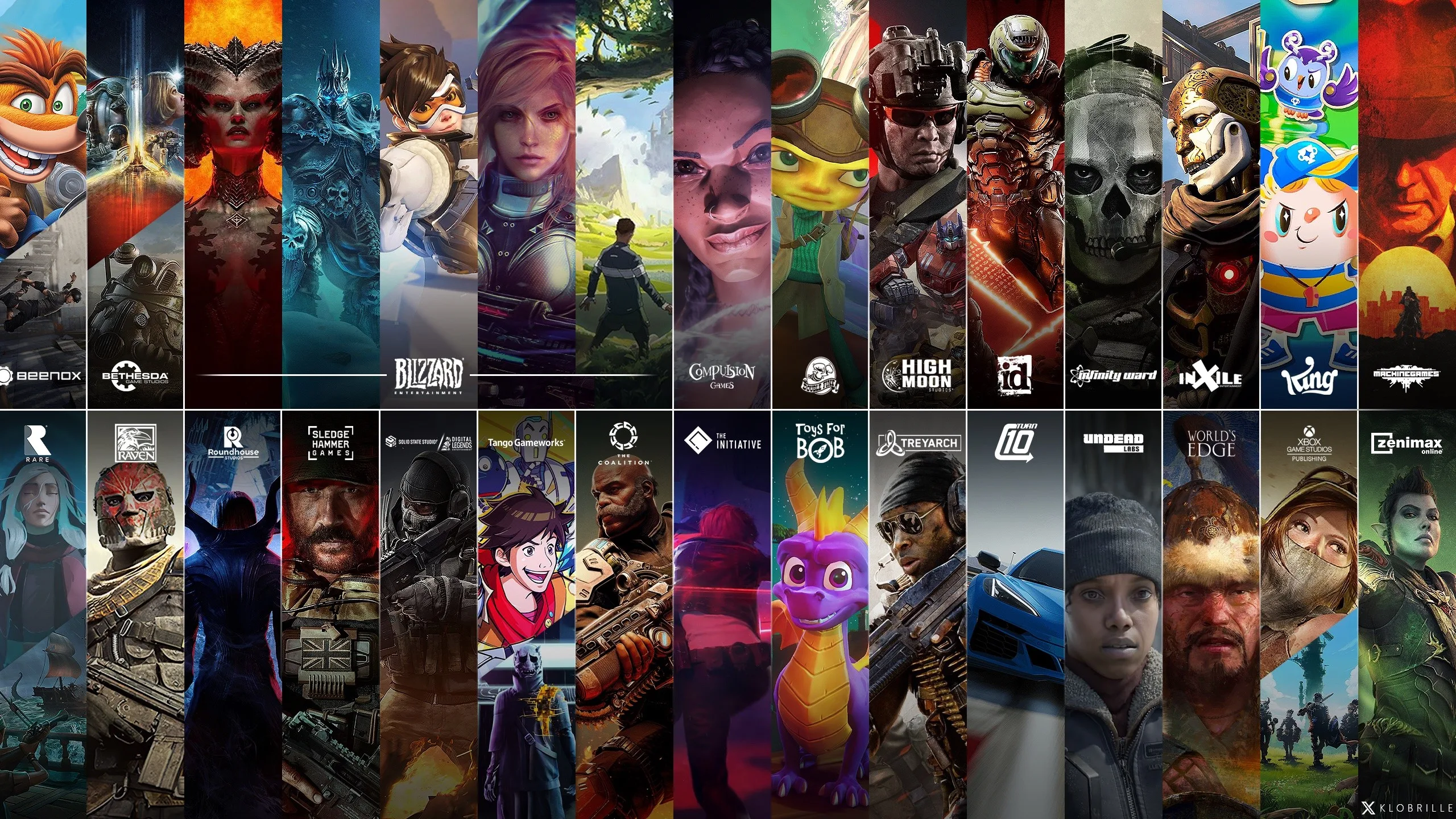
However, even more recently, Xbox’s constant flip-flopping has done little to help its bottom line. Five years ago, Microsoft attempted to use the hardware narrative to push the Xbox Series X as the “World’s Strongest Console.” This was followed by promises of an exciting first-party lineup that has only now begun to come to fruition.
Xbox then focused on third-party releases after failing to attract gamers with its exclusives despite having spent over $100 billion on acquisitions like Bethesda Softworks and Activision Blizzard. This was followed by an “Everything is an Xbox” push, and rumors suggest the team is eyeing another major shakeup for the next generation, one that may not necessarily place the console at the center of it all.
Compare this to Sony or Nintendo’s strategy, and Microsoft’s approach shows a complete lack of stability within the Xbox brand. Ultimately, this air of uncertainty has always held Xbox back, and I don’t think this is something that will go away with the appointment of a new CEO.
Looking To The Future
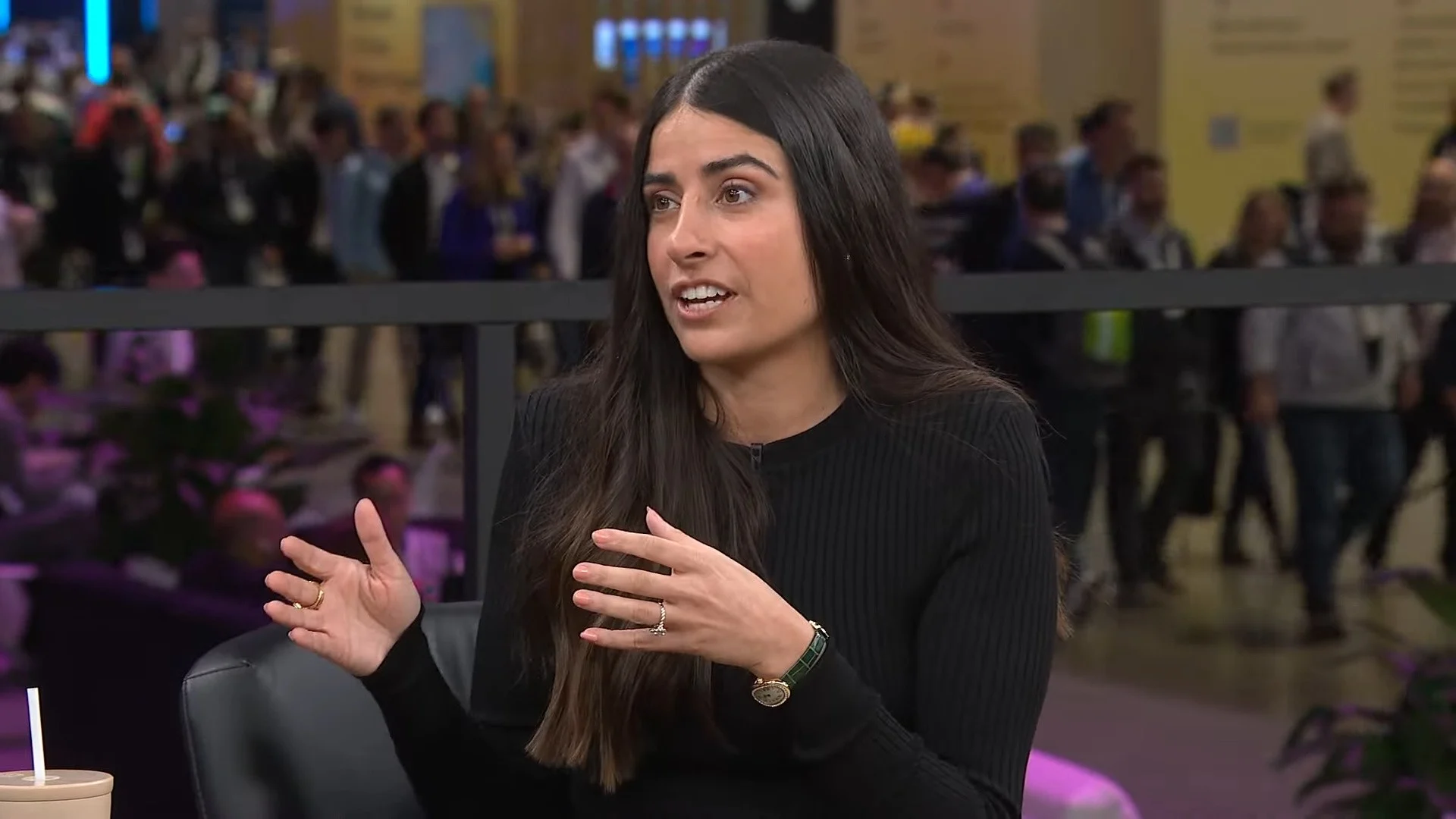
I think it’s safe to say that Xbox is now heading into uncharted territory. CEO Asha Sharma’s AI expertise, combined with Microsoft’s overall focus on the technology and AI integration across its software suite, means that Xbox will inevitably feel the impacts of these changes.
The next-generation of Xbox is also said to be planned for 2027, marking the first time in two generations that Xbox would go for a head start over the competition. If this isn’t drastic enough, Microsoft is even opening up its platform to third-party stores like Epic Games and Steam.
All of this combined could make for the most radical set of changes Xbox has made in a single generation yet. But will this work out for the better? Only time will tell, but I, for one, am not too optimistic. As it stands, Xbox hardware is clearly being sidelined by Microsoft, and the next-generation plans suggest this will continue for the next few years.
As I look at the current state of Xbox, I can’t help but look back on the Xbox One reveal from 2013 as the day that truly killed Xbox. Had Don Mattrick not deviated so much from what a gaming console should be, perhaps Microsoft’s position in the gaming industry would have been completely different today. As sad as it sounds, Xbox has died a slow death over the last decade, and it all began on May 22, 2013.